


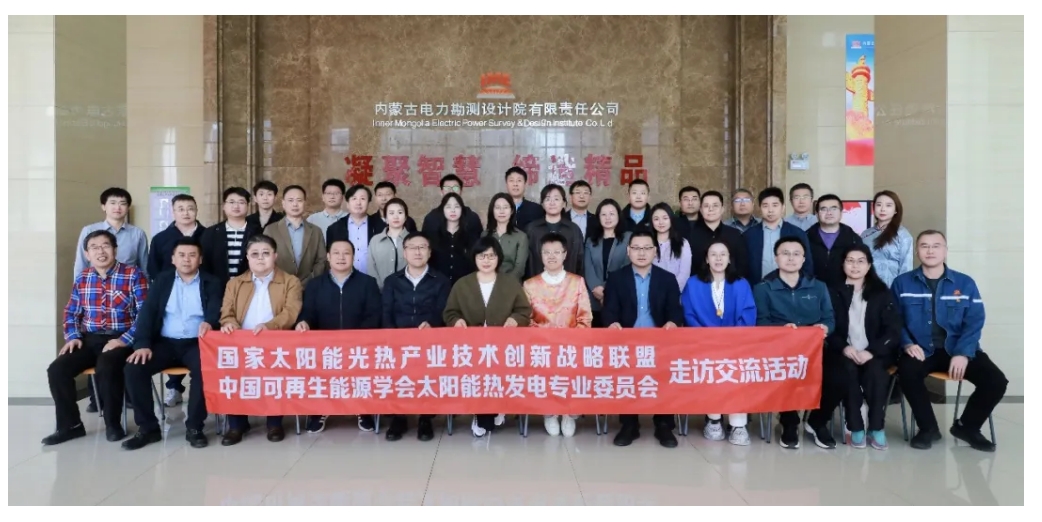
On April 24, 2026, the China Solar Thermal Alliance (hereinafter referred to as CSTA) / Solar Thermal Power Committee of Chinese Renewable Energy Society organized a visit to Inner Mongolia Electric Power Survey & Design Institute Co., Ltd.(hereinafter referred to as IME). The two sides conducted in-depth exchanges on pathways for cost reduction and efficiency improvement in CSP, as well as the planning of CSP projects in Inner Mongolia Autonomous Region under the strategic guidance of Document No. 1654. Li Min, Secretary of the Party Committee and Chairman of IME, Kou Jianyu, Deputy Secretary of the Party Committee, General Manager, and Vice Chairman of the CSTA, and Yan Zhiyong, Deputy General Manager and Chief Engineer, extended a warm welcome.
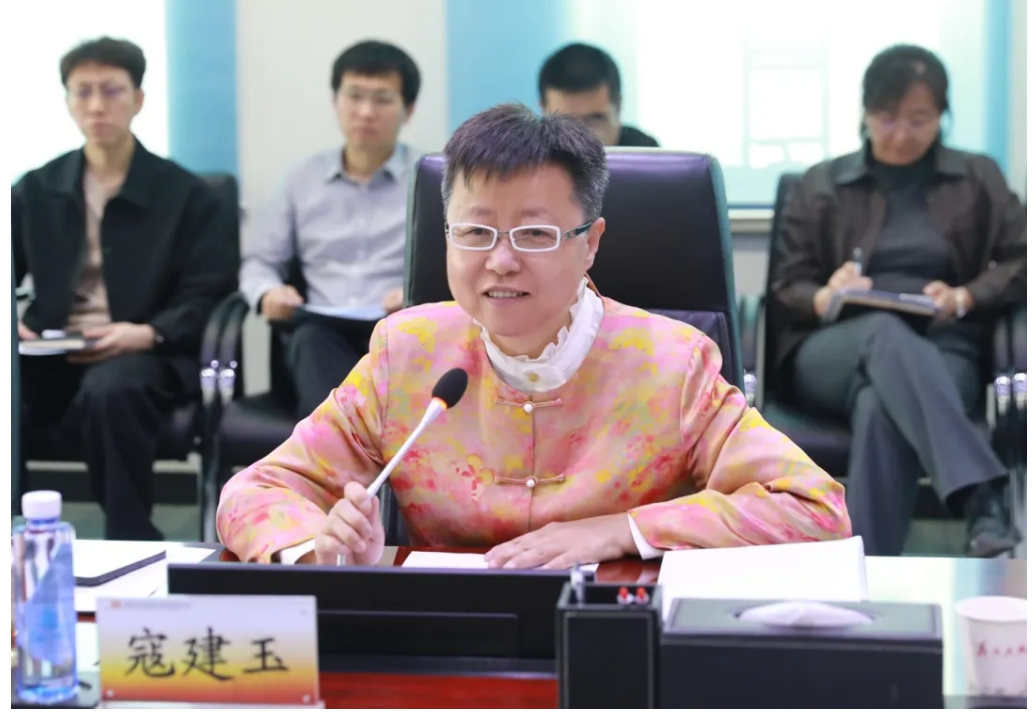
On behalf of IME, General Manager Kou Jianyu expressed a warm welcome to the CSTA and representatives from the 15 visiting organizations. IME attached great importance to this exchange visit, making preparations nearly a month in advance, maintaining close communication and efficient coordination with the CSTA throughout the process, and making every effort to ensure the effectiveness of the exchange so that all parties could gain valuable insights and achieve productive outcomes. The CSTA has been rated as an A-level alliance by the Ministry of Science and Technology. With long-term dedication to the CSP field, it accurately grasps industry development trends, maintains regular engagement with national ministries and provincial/municipal industry authorities, and coordinates and guides the high-quality development of the industry. She expressed hope that this symposium would serve as an opportunity for all parties to engage in open dialogue, share experiences, build consensus, jointly explore new ideas for solar thermal industry development and new directions for cooperation, empower the quality improvement, efficiency enhancement, and innovative upgrading of CSP in Inner Mongolia and at IME, and work together to promote synergistic and win-win long-term development of the industry.
At the symposium, participants focused on the core theme of "cost reduction and efficiency improvement." Combining Inner Mongolia's inherent advantages of abundant solar energy resources, rich coal reserves, and superior grid conditions, they conducted pragmatic discussions from dimensions including technical routes, cost control, and policy coordination.
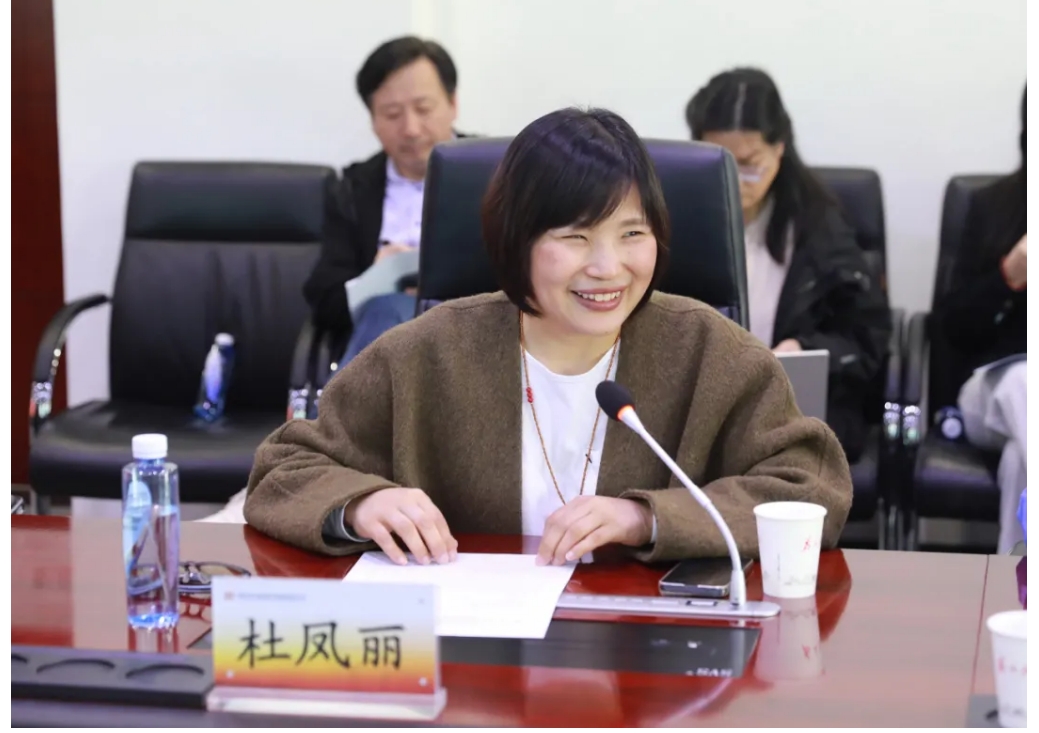
Secretary-General Du Fengli stated that IME is one of the earliest Class-A design institutes involved in CSP in China. It has fully mastered the complete series of CSP technologies including trough, tower, and linear Fresnel, with solid technical accumulation and rich engineering experience, playing an important supporting role in the development of China's solar thermal industry. Document No. 1654 issued by the National Development and Reform Commission and the National Energy Administration clarifies the strategic positioning of CSP, setting development goals of striving for 15 GW of installed capacity by 2030 and achieving grid parity with coal-fired power, thereby delineating the pathway for scaled industry development and providing policy guidance. Inner Mongolia is an important national energy base with exceptional wind and solar resources, possessing superior conditions for developing CSP. It is a core development region for the industry with broad development space. Moving forward, all parties are encouraged to deepen exchanges and cooperation, closely align with the requirements of Document No. 1645, combine with the actual development of the autonomous region, and focus on resolving prominent challenges such as project construction costs and policy coordination. Efforts should be made to coordinate the planning and layout of solar thermal regulating power sources in Inner Mongolia, assist in the construction of new-type power systems, consolidate regional energy supply capabilities, and serve the broader goals of national energy security and green, low-carbon transformation.
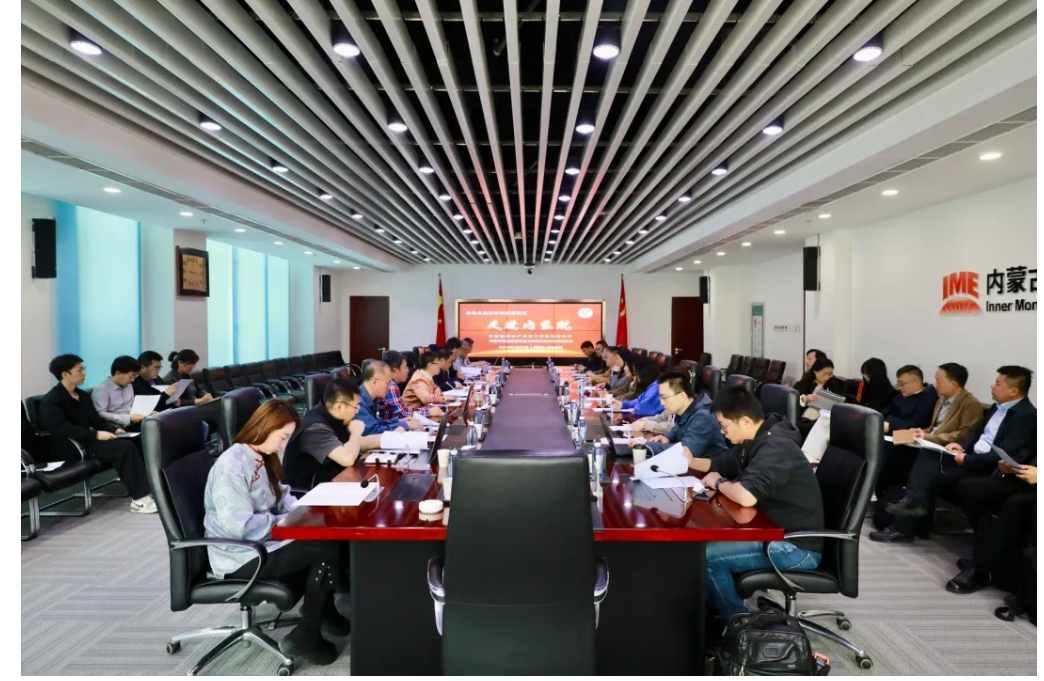
At the conclusion of the meeting, all parties expressed their commitment to establishing a regular communication mechanism, focusing on key links such as project implementation, technological innovation, and policy coordination, and promoting Inner Mongolia's solar thermal industry from "early start" to "rapid development," contributing solar thermal strength to the construction of the national new energy system.